March 13, 2025 (Augusta, ME) — Yesterday, U.S. Environmental Protection Agency (EPA) Administrator Lee Zeldin released a massive, broadside attack on rules that protect public health, the climate, and our environment from air pollution, water pollution, and toxic emissions from fossil fuel power plants. On the eve of addressing a major energy conference in Read More
Environmental Protection Agency
NRCM Urges Senators Collins, King Not to Undermine Senate Confirmation Process for Nominees

November 25, 2024 (Augusta, ME) — Maine’s leading environmental advocacy organization today urged Senators Susan Collins and Angus King to insist that the full, deliberative “advice and consent” process be pursued in the U.S. Senate for nominees to federal agencies that play a critical role in helping protect Maine’s environment. The Natural Resources Council of Read More
Why Limiting Pollution from Dirty Power Plants Helps Maine
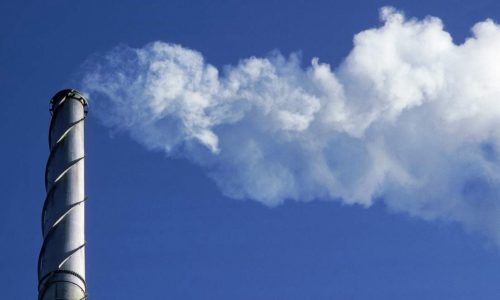
Believe it or not, power plants in the U.S. are still polluting the air we breathe, hurting our health, and fueling climate change. Pollution from their smokestacks, particularly those fueled by coal, is one of the main sources of carbon emissions and other toxic pollution that makes our food sources unsafe and can also lead Read More
Limits on Tailpipe Pollution Will Deliver Mainers Cleaner Air and More Choices
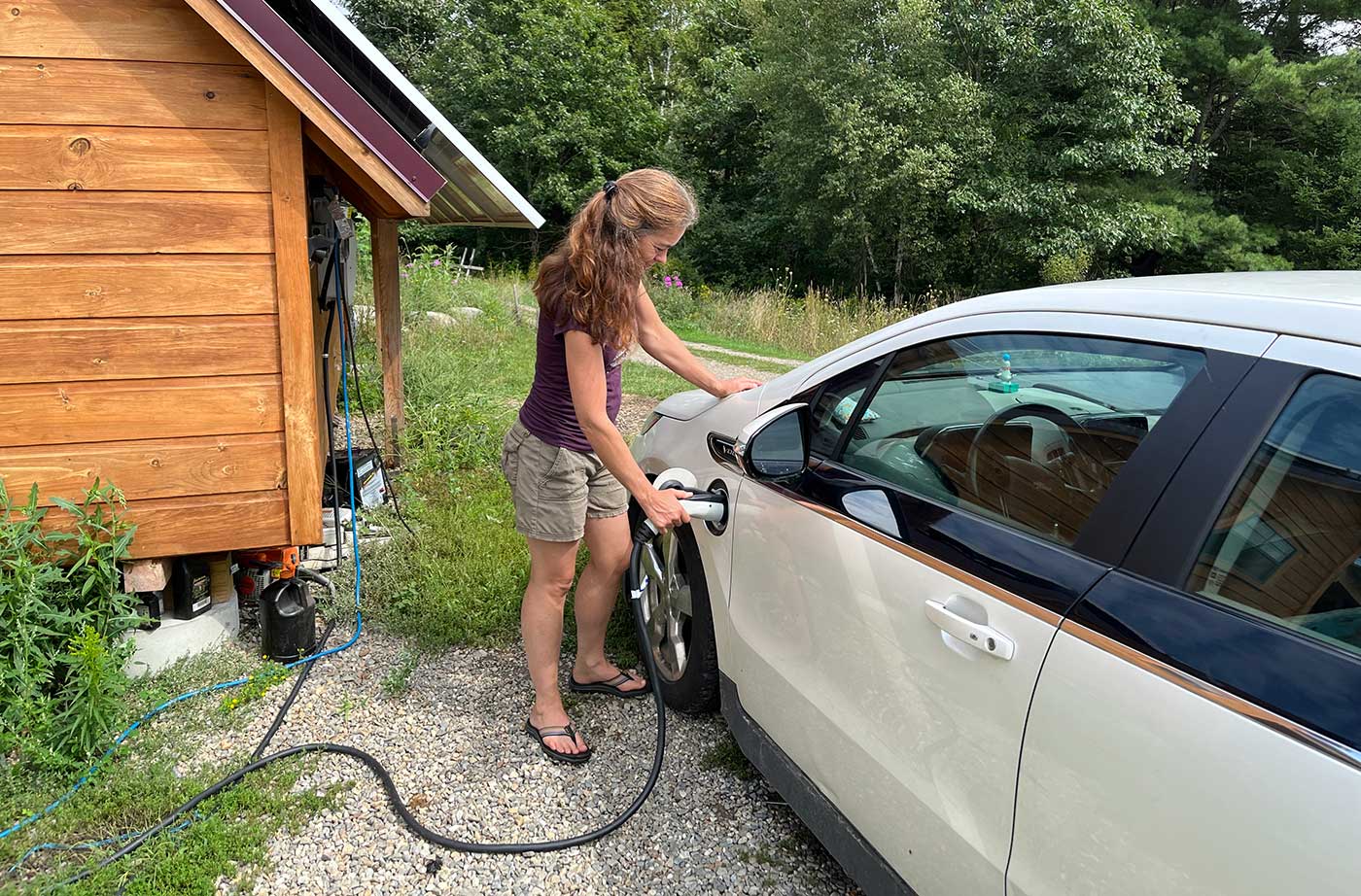
The U.S. Environmental Protection Agency today unveiled new stricter limits on tailpipe pollution from cars and trucks that will deliver cleaner air, reduce carbon pollution, and pave the way toward broader adoption of electric vehicles (EVs) in Maine, according to the state’s leading environmental advocacy organization. The Natural Resources Council of Maine released the following Read More
News & Noteworthy — January – March 2023
Each month, we highlight news stories and opinion pieces related to Maine’s air, land, water, and wildlife. We update News & Noteworthy with the latest news related to the nature of Maine, including the work of staff at the Natural Resources Council of Maine. March 2023 We told you some months ago about a proposal Read More
U.S. Supreme Court Decision Limiting EPA’s Ability to Reduce Pollution Will Harm Maine’s Clean Air and Climate

Augusta, ME (June 30, 2022) – Maine conservationists are expressing outrage over a decision issued today by the U.S. Supreme Court to dismantle the U.S. Environmental Protection Agency’s ability to limit carbon pollution that is accelerating the impacts of climate change. The Natural Resources Council of Maine, one of the state’s largest and oldest conservation Read More
Support of LD 125, An Act To Prohibit the Aerial Spraying of Glyphosate and Other Synthetic Herbicides for the Purpose of Silviculture
Greetings, Senator Dill, Representative O’Neil and Members of the Agriculture, Conservation, and Forestry Committee. I am Melanie Sturm, the Forests and Wildlife Director at the Natural Resources Council of Maine, and I am providing testimony in support of LD 125. Glyphosate is the world’s most widely used herbicide. With increased use comes increased risk of Read More
Supreme Court Replacement Could Impact Bedrock Environmental Protections
“People threatened or injured by public health and environmental harms depend on access to the courts to redress those harms. This is a pillar of the American justice system.” – Environmental Defense Fund “We need Justices who will make sure our courts remain a place where science and the law beat corruption and privilege.” — Read More
The Trump Administration’s Giveaways to Polluters Must Stop!

Maine has a special leadership role we can all be proud of when it comes to protecting our country’s clean water and air. It was Maine’s Senator Edmund Muskie who led the efforts to pass the Clean Water Act of 1972 and Clean Air Act of 1970. In the past few years, as the Trump Read More