Maine people have always valued our woods, waters, and wildlife, tried to reduce waste whenever possible, and worked to find solutions that lower costs so families and businesses wherever we are in the state can flourish.
Maine’s participation in the Regional Greenhouse Gas Initiative (RGGI) program is a great example of our shared values. RGGI is a multi-state cap-and-trade program aimed at reducing harmful air pollution from dirty power plants. Those facilities pay per unit of pollution (specifically the carbon pollution that causes climate change and impacts our health), and the money raised is reinvested in states that participate in the program.
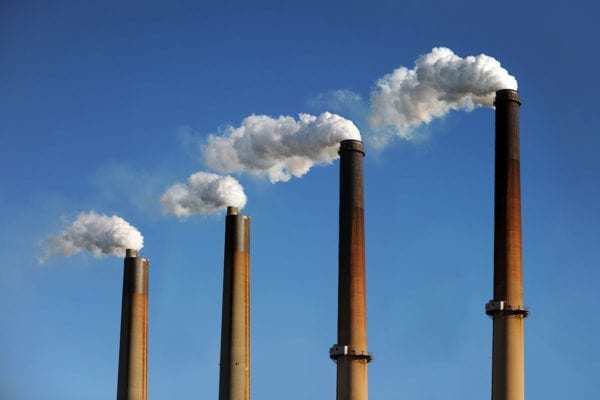 RGGI is based on a simple “polluters pay” principle that Maine has also adopted for many products including electronic waste, fluorescent light bulbs, and wasteful packaging that can’t be recycled. It was the nation’s first cap-and-trade program for carbon pollution. By making power plant polluters pay, RGGI makes sure we have less of what we don’t want – carbon pollution and damaging climate impacts – and more of what we do – investments in Maine that deliver proven energy savings.
Maine has participated in RGGI since it was first created. Between 2009 and 2024, our state received a total of more than $246 million in funding, the vast majority of which has been invested in improving energy efficiency and saving money for Maine households and businesses through Efficiency Maine.
For 2023 alone, the investments made with RGGI funds saved more than $130 million in avoided energy costs, money that stays in Mainers’ bank accounts, strengthening our economy and reducing pollution at the same time.
Importantly, a significant fraction of RGGI funding is directed to help low- and moderate-income households who are struggling with rising energy costs. In Fiscal Year 2024 (FY24), about $12.6 million went to Efficiency Maine’s low-income initiatives, including heat pump and energy efficiency programs designed to save people money on energy.
Another recent analysis found that in the 12 years between 2008 and 2020, across member states (including Maine), RGGI has boosted the economy and created jobs – generating $5.7 billion in net economic benefits and 48,000 added job years.
While saving Mainers money and investing in our economy and workers, RGGI has also been reducing pollution, contributing to a 46% reduction in carbon emissions from power plants between 2008 and 2020.
The Natural Resources Council of Maine has supported RGGI from the very beginning, working hard to ensure we deliver the maximum amount of savings to Maine people. This year, there’s a bill in the Maine Legislature to adopt the most recent updates to the RGGI program. Passing it will ensure that Maine’s environment, economy, and people continue to benefit from this quiet giant of a program. Failing to pass the updates to RGGI will take millions of dollars of revenue from Maine’s successful energy efficiency and electrification programs that benefit Mainers all across the state.
Maintaining the investments Maine receives from RGGI is especially important because the 2025 budget bill passed by Congress and signed by President Trump dramatically cut federal funding for energy efficiency and clean energy programs, even though those programs were saving Mainers money and reducing our dependence on fossil fuels from out of state. If we want to address high energy costs facing Maine families and businesses, lawmakers will need to continue to support proven programs like RGGI that deliver relief to hard-working Mainers.
—Jack Shapiro, NRCM Climate & Clean Energy Director




Leave a Reply